Theme
 300°Verified
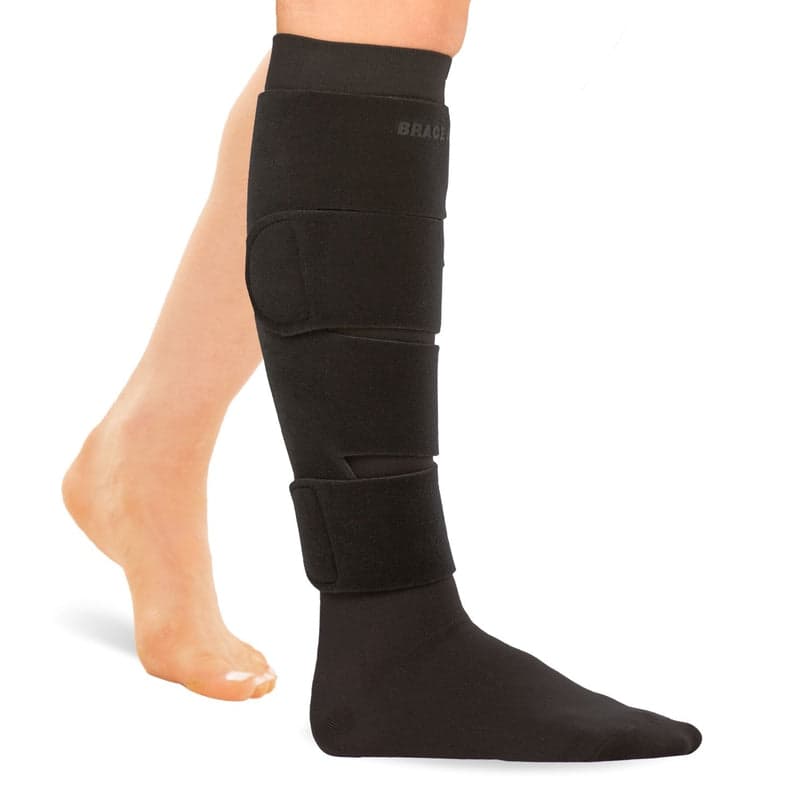
The 5 Top-Rated Features of This Lymphedema Compression Sleeve Effectively Reduce Lymphedema Swelling This leg compression sleeve offers a comfortable, cost-effective alternative lymphedema treatment option. Rather than worry about taping, casts, or even expensive surgery, this simple wrap offers high compression levels and support for swollen, painful legs. This lymphedema product comfortably wraps compression around your entire leg from the knee down, reducing swelling and promoting healthy blood circulation. Comfortable All-Day Compression Wear the lymphedema compression wrap day or night to effectively relieve swollen legs. Whether you’re experiencing lymphedema in one leg, or both, this brace can be used interchangeably on the right or left calf. Unlike traditional, pull-on compression sleeves, this wrap features adjustable pressure straps that can be pulled and secured to the perfect compression level for your specific condition and pain. Thanks to the fully adjustable wrap, the calf brace can provide anywhere from 20-50 mmHg levels of compression depending on how tight you’d prefer to wear the sleeve. Lightweight, Discreet Pain Relief Designed to be worn directly against the skin or fitted compression stockings, the leg unilateral or bilateral lower extremity edema wrap is lightweight, thin, and hardly noticeable under a pair of loose pants. Black in color, the leg compression brace blends in, allowing you to wear it comfortably during the day while working, walking, exercising, or completing daily tasks and activities. Use the compression wrap for pain relief from a variety of conditions, such as: Lymphedema Lower extremity edema Obesity leg water retention Swollen calves, feet, and ankles Lymphatic drainage If you’re unsure if this support will help you, check with your doctor or medical professional before prolonged use. Quick and Easy to Apply This wraparound compression brace could not be easier to apply. The application process is easy; it takes just minutes to get the wrap on and off. Line the brace up with your shin, wrap and secure the compression straps starting from the top and working your way down. You can also adjust the compression level using the straps throughout the day to receive various pressure levels and support. Comes with High-Quality Compression Stockings Unlike other lymphedema compression products, this leg sleeve offers you various treatment options. The wrap includes a pair of high-quality, supportive 20-30 mmHg compression socks. Depending on the amount of compression you’d like to receive, you can slip the compression stockings on before applying the lymphedema garment. For less compression, wear the lymphedema wrap on its own! Living With Lymphedema: At-Home Treatment for Swollen Legs Lymphedema is a condition that occurs when tissues swell caused by a buildup of protein-rich fluid that should usually be drained through the body’s lymphatic system. Lymphedema can occur in several places, including the chest, abdomen, genitals, and neck. However, the most common place men and women experience retaining fluid and swelling is in the legs and arms. When lymphedema is severe, the condition can affect your ability to move the affected limb, causing pain, discomfort, and an interruption to your daily activities. Keep reading to learn more about lymphedema, including the symptoms, causes, and how to best treat your specific pain. Lymphedema Symptoms and Causes What exactly causes lymphedema and swelling in the legs? The reasons for the condition can range from inherited conditions to surgery recovery issues. The most common causes of the condition are: Cancer. If cancer cells block lymph vessels, lymphedema may result. For instance, a tumor growing near a lymph node or lymph vessel could enlarge enough to block the flow of the lymph fluid. Radiation treatment for cancer. Radiation can cause scarring or inflamed lymph nodes or lymph vessels. Surgery. In cancer surgery, lymph nodes are often removed to see if the disease has spread. However, this doesn't always result in lymphedema. Parasites. In developing countries in the tropics, the most common cause of lymphedema is infection with threadlike worms that clog the lymph nodes. Risk factors. Those who are older, overweight or obese, or those with rheumatoid or psoriatic arthritis are more at risk of lymphedema. Signs and symptoms of lymphedema can range from mild to severe depending on the level the condition has reached. However, the most common signs of lymphedema include: Swelling in part or all of the arm or leg (may also include fingers or toes) Tightness or heaviness in the affected area Restricted range of motion Fibrosis (hardening and thickening of the skin) If you’re experiencing extreme pain or discomfort, make sure you see a doctor immediately to find the best form of relief for you. How Do You Treat Lymphedema in Legs? Although there is no known cure for lymphedema, there are treatment options to help prevent the
CA$35.00
Limited time
Verified 2026-04-17
Store: BraceAbility
Category: Electronics
Type: discount
Expires: Limited time