Theme
 38°Verified
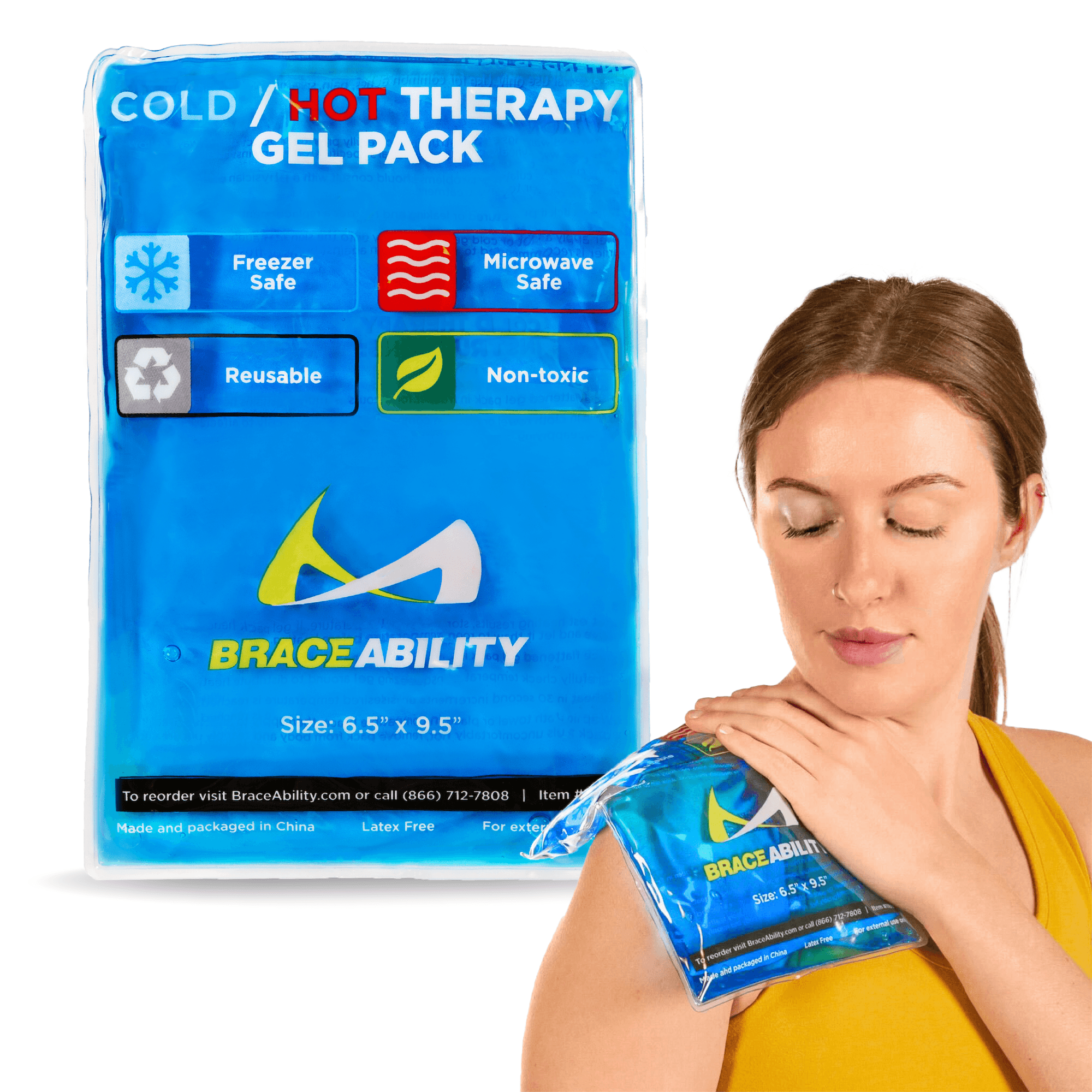
Why You Need This Reusable Hot and Cold Gel Pack Be proactive about pain relief by keeping a BraceAbility Reusable Hot and Cold Therapy Gel Pack on hand. Designed for both microwave and freezer use, this flexible gel pack offers a quick, convenient way to relieve discomfort anytime, anywhere. There is so much confusion surrounding this topic, which is unfortunate because RICE treatment combined with therapeutic icing and heating (cryotherapy and thermotherapy) is an effective, affordable, and safe self-treatment option for many common, painful problems including: Arthritis Lower back pain Muscle sprains or strains Pulled or tight muscles Swelling and inflammtion If you’re struggling with lower back tightness, find out when a heated back brace works best—and when it could make things worse. To get the most out of temperature therapy, it’s important to understand when to use ice, when to use heat, and how contrast therapy may help. Keep reading to explore the benefits of each and learn how to choose the right solution for your pain. Ice vs. Heat Therapy: Which Is Best for My Pain? One of the most common questions when dealing with an injury or chronic pain is: Should I use ice or heat therapy? Understanding the difference can help you heal faster and feel better sooner. While both hot and cold therapy can be effective, they’re used for very different reasons. In some cases, alternating between the two—also known as contrast therapy—can provide optimal relief. As a general rule: Use cold therapy (ice) for acute injuries, inflammation, swelling, or pain that occurs suddenly—like sprains, strains, or bruising. Use heat therapy for chronic pain, muscle tension, stiffness, or soreness, especially in the lower back or neck. When Should I Use a Cold Compress ? When chilled, our flexible ice pack eases discomfort from acute injuries, sprains or strains, muscle soreness, spasms, bruises, swelling, and tension headaches. The use of ice, or very cold temperatures, in a medical manner is known as cryotherapy. It is effective because it causes your blood vessels to narrow (vasoconstriction). Your muscles contract, inflammation is lowered, and pain signals are reduced. On the contrary, ice can make muscle tension and spasms worse. How to Use This Cold Therapy Gel Pack Place flattened gel pack in freezer for 4 hours or more. Remains flexible when frozen. Wrap in cloth towel or place in compatible brace, then apply to affected area. Use in 20 minutes increments or as medically prescribed. Allow skin to warm before reapplying. Return gel pack to freezer. How Heat Therapy Helps Pain and When to Use It When warmed, our heating pad soothes pain caused by cramping, stiff necks, backaches, and arthritis. Unlike ice, heat therapy is a vasodilator, increasing circulation by expanding your blood vessels. This increased blood flow draws nutrients and oxygen to the injured area, which aids the healing process and helps your body’s cells get rid of waste products. Unlike ice, heat can make inflammation and swelling worse so avoid hot therapy when treating an acute injury. Acute injuries are usually the result of a single, traumatic event, such as wrist fractures, ankle sprains, shoulder dislocations, and muscle strain. How to Use This Hot Compress Pack For best heating results, store at room temperature. If gel pack has been in freezer, remove and let it thaw to room temperature before heating. Place flattened gel pack in microwave and heat for 1 minute. Carefully check temperature, squeezing gel around to distribute heat. Reheat in 30-second increments until desired temperature is reached. Wrap in cloth towel or place in compatible brace, then apply to affected area. If gel pack feels uncomfortably hot, remove pack from body and reapply once it cools. Alternating Ice and Heat Therapy Sometimes, choosing only ice or heat doesn’t provide enough relief, which is where contrast therapy comes in. Contrast therapy involves alternating applications of heat and ice to relieve pain associated with injury or overexertion. With this therapeutic method, you can simultaneously lessen puffiness, promote circulation, and loosen tight muscles. This is usually achieved with a hot and cold bath, either dunking a limb or even immersing your entire body. However, a similar effect can also be achieved with two of our gel packs. Simply cycle between cold and hot therapy over a 20 to 30-minute period, with each application of an ice / heat lasting three to five minutes. End with an ice pack. Research shows contrasting is most effective for treating repetitive strain injuries, so the best candidates for contrasting are those who suffer from: Plantar fasciitis Achilles tendinitis Shin splints Runner’s knee Patellofemoral pain syndrome Carpal tunnel syndrome Tennis elbow 5 Reasons Why People Love This Ice Wrap and Heat Pad for Injury Recovery and Pain Relief Compatible Back Braces Are Available for Purchase Looking for hands-free support? This pack can be use
CA$35.00
Limited time
Verified 2026-04-17
Store: BraceAbility
Category: Electronics
Type: discount
Expires: Limited time